
Your call comes to me
I started this business in La Porte in 2023, and I still answer my own phone. Tell me roughly how long the walk runs and whether it crosses the driveway, and we'll set a time for me to come look.
Cracked, heaved or sinking walk tripping people up? We dig out the soft ground and pour a new one that sits flat and even.
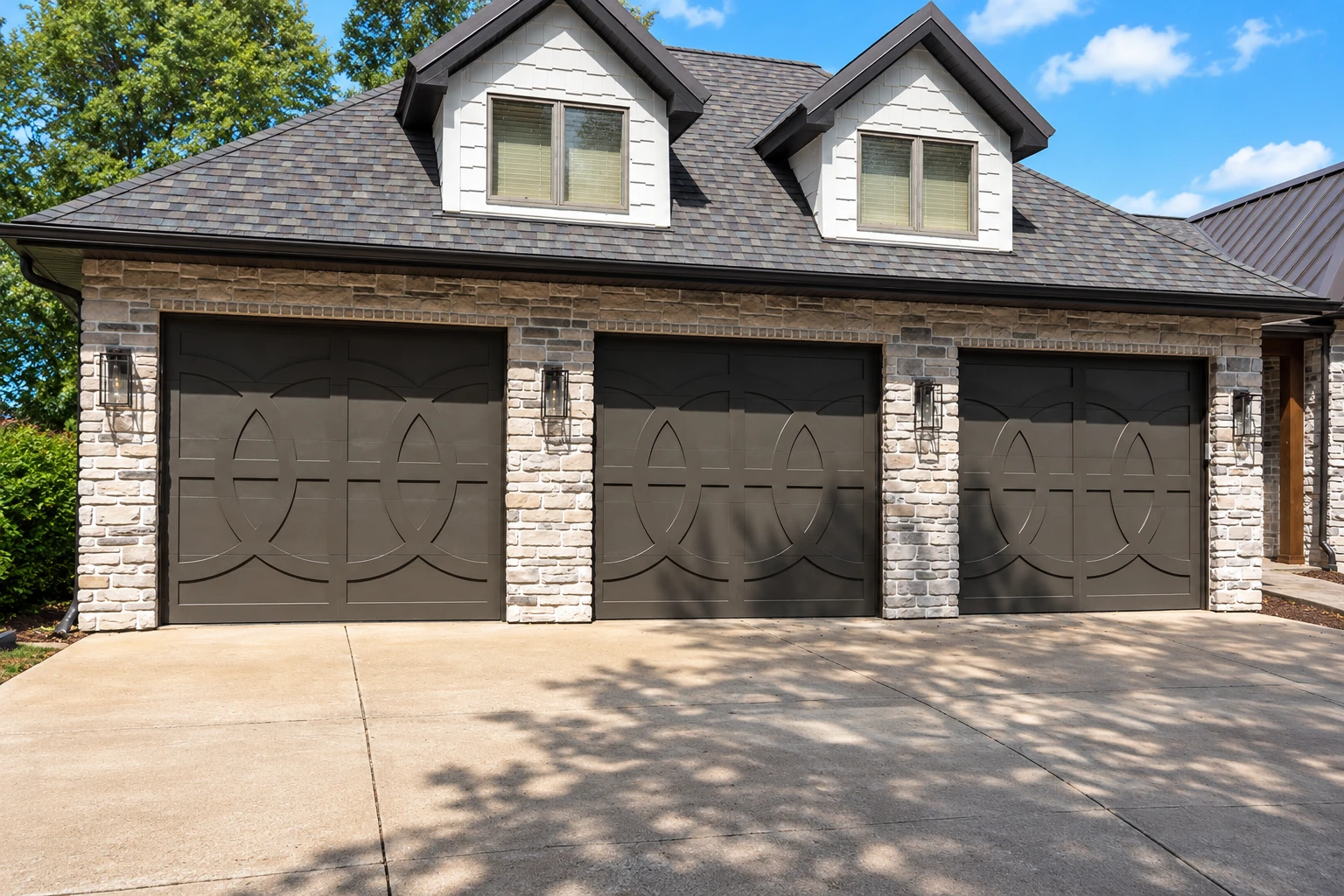
Concrete sidewalk building in La Porte means tearing out the old walk, digging out the soft ground and packing it firm, then pouring a new walk that sits even and sheds water away from your house.
Most people call when the old walk has heaved, sunk or broken into pieces that catch a toe, or when water pools on it after every rain. The trouble usually starts underneath, with ground that settled or water that never had anywhere to go, so patching the top rarely fixes it.
The price moves with the walk's length and width, how much old concrete and soft dirt has to come out, and whether part of it crosses a driveway. The schedule mostly turns on the weather and on getting any permit squared away. The estimate I write up on site gives you the figure for your own walk.
You deal with me from the first call to the last swept-off form board. Here's how it goes.
I started this business in La Porte in 2023, and I still answer my own phone. Tell me roughly how long the walk runs and whether it crosses the driveway, and we'll set a time for me to come look.
I walk the line, check where the water runs off it and ask how you use it, whether it's just foot traffic or cars crossing too. Then I write up the estimate so you can see what goes into the ground before anything gets poured.
We're licensed and fully insured. Once you say go, we sort out the paperwork and set the pour date, and I'm on site with the crew until the walk is finished and the yard is cleaned up.
On a sidewalk job we tear out the old walk, strip off the topsoil and pack the ground so the new walk sits even, including over old utility trenches where the dirt was loosened years ago. Where it crosses your driveway, we build that section heavier to take the cars, because a walk built for foot traffic cracks fast under tires. The rest gets a broom finish, a light texture dragged across the top, so you keep your footing when it's wet instead of slipping on a slick troweled surface.
If the walk runs to a garage that needs a new slab, we can look at garage floor concrete on the same visit. If you'd rather have color or a pattern than plain gray, that's our decorative concrete work.
When the budget gets tight, the base is usually the first thing people want to cut, because nobody sees it once the walk is poured. I'd drop a fancy finish before I'd skimp on the base, since a nice top on soft dirt still settles and cracks.
Before we dig, we stake out where the walk runs and look at where water goes after a rain. A walk that tips toward the house sends water straight at your foundation, so we set the pitch to carry it away.
We dig past the topsoil and pack the subgrade, the ground the walk sits on, instead of raking loose dirt level. Raked dirt keeps settling, and the slab settles right along with it.
In summer we pour early, because midday heat dries the top too fast and can leave it weak and dusty a year later. Then we finish the surface and give it the broom texture.
Control joints are shallow cuts across the walk that give it a place to crack in a straight line where nobody notices. We cut them on time, because late or skipped joints let cracks run wherever they want, and then we clean up before we leave.
Call (219) 258-7141 or send the form with the walk's length and width, whether it crosses a driveway and the season you'd like it poured. We reply within one business day, then I come out, look at the spot and write up a free estimate with no obligation. Satisfaction guaranteed.
(219) 258-7141Installing a concrete sidewalk across the US usually costs about $12 to $14 per square foot. That's a national figure, so treat it as a ballpark for your walk, not a quote. I'll give you the number for your own walk when I come out to write the estimate.
The best time is when the weather will keep the fresh concrete from freezing soon after it's poured. A walk poured in late fall, winter or early spring calls for extra caution, because concrete that freezes while it's still wet is the real risk. We set the pour date around the forecast, so if you want the walk this year, call before the cold sets in.
Ask for good quality air-entrained concrete, which is the ready-mix industry's advice for concrete that goes through hard freezing and thawing. It has tiny air bubbles mixed in that give freezing water room to expand, so the top holds up better. Ask each contractor whether the quote uses it, so you're comparing bids on the same mix.
City of La Porte Engineering handles building permits, and you apply online. The city also lists a right of way permit for digging that doesn't cut into pavement, and you can reach the office at (219) 362-2327. Before we start, we check with the office that covers your address, and when the job needs a permit or contractor registration, we take care of it.
Skip deicing salt the first year and use sand or kitty litter for grip, which Ohio Concrete advises for new concrete, especially anything poured after September. Their guidance, written for Ohio, also calls for curing, keeping the new slab from drying out while it hardens, for at least 7 days right after finishing and longer in cool weather. After that, they suggest cleaning the walk and putting on a penetrating sealer every 3 to 5 years, following the sealer maker's instructions.
A lot of the walks we build here run from the driveway to the front door, so they cross the drive somewhere along the way. If yours does, INDOT's sidewalk guidance calls for a walk at a drive to be 6 inches thick or as deep as the existing drive, whichever is greater. Ask me how that state guidance shapes the driveway section of your walk when I'm out for the estimate.
Our winters freeze and thaw the ground over and over, which is hard on any walk with a soft base or a weak top. We're based in La Porte and work across the cities around it, including Michigan City, Westville, Valparaiso and South Bend. If your city isn't on the site, give us a call and ask.
I can look at the walk, the driveway crossing and anything else you're thinking about on one visit, so call (219) 258-7141 or use the form.
If you're not sure whether the old walk can stay or has to go, call me and I'll tell you straight.
Tell us about your project